CANMATCHMORE
Decarbonization
[
Involved partners
]
Eni S.p.A. University of Padua University of Salerno
Covalent Adaptive Network Materials for Technological Composites Helpful for Mobility Renewable
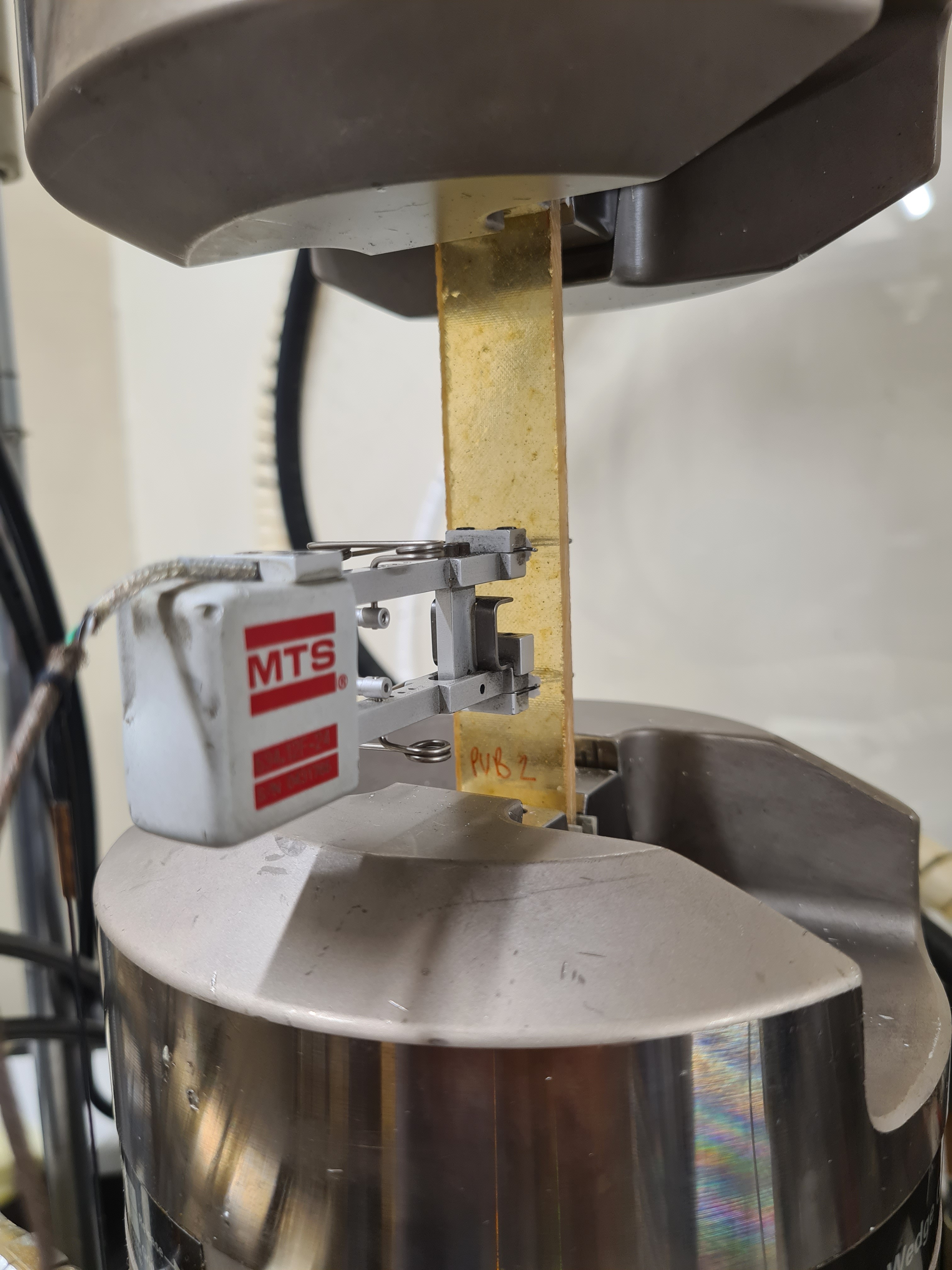
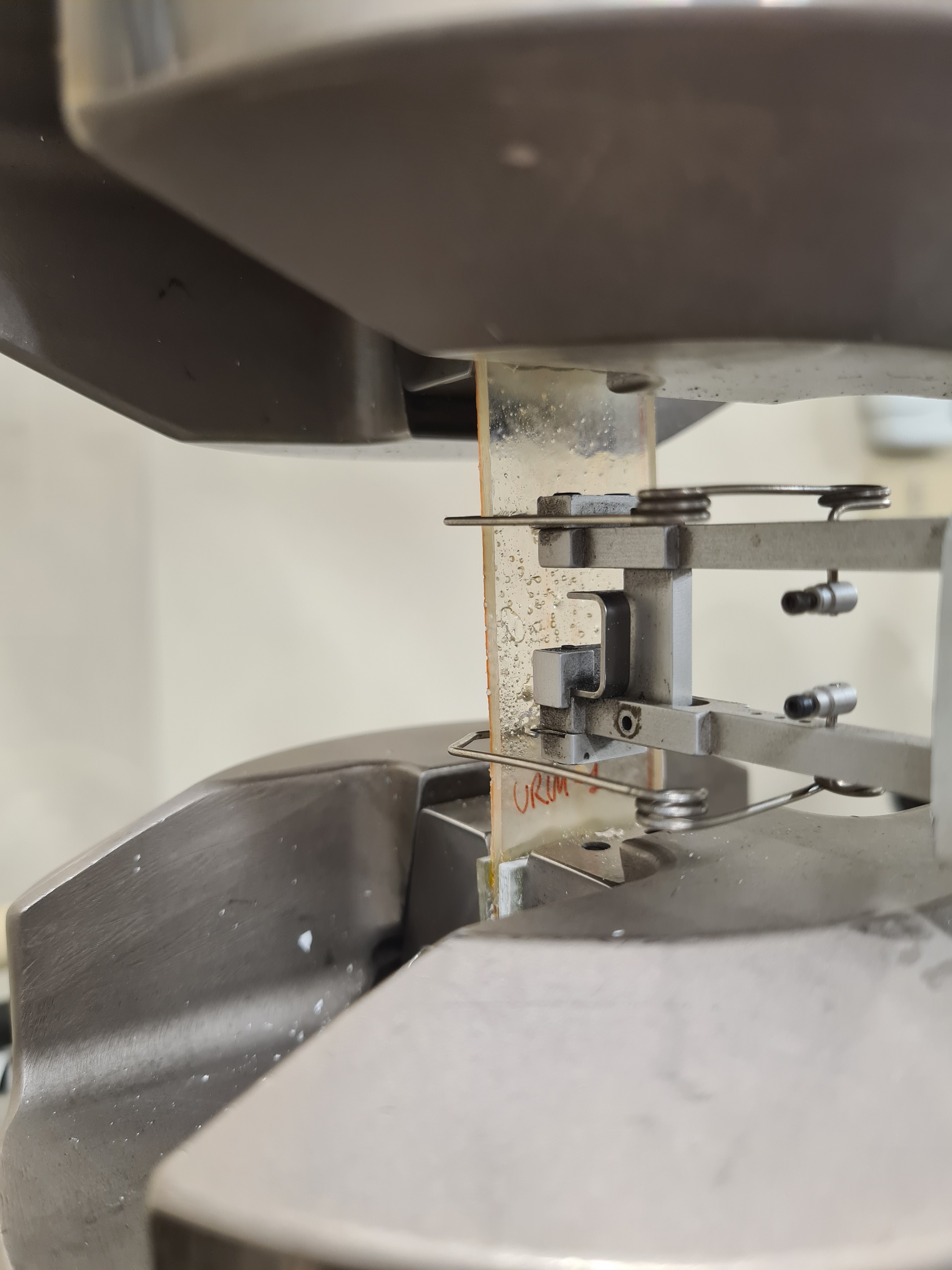
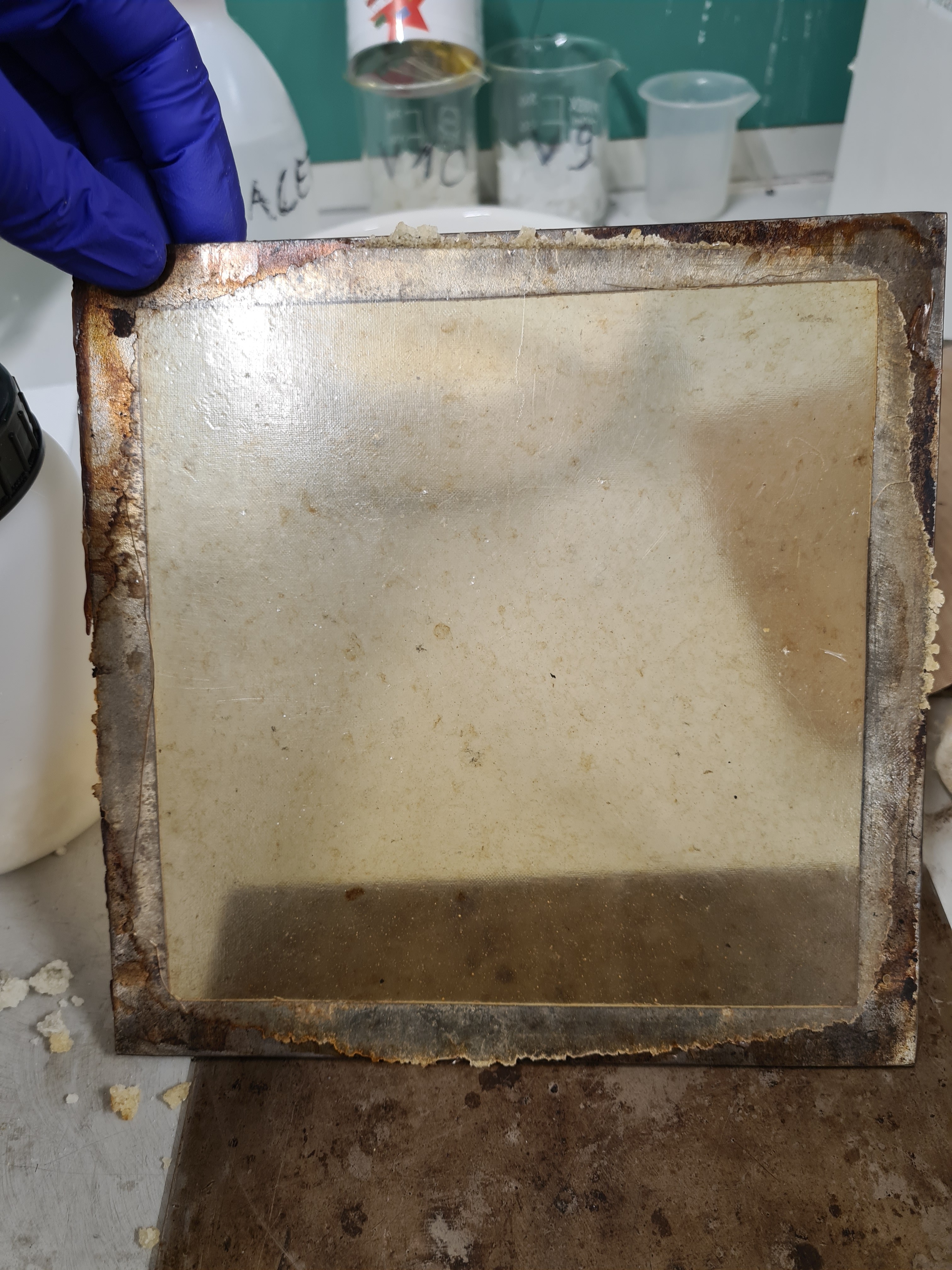
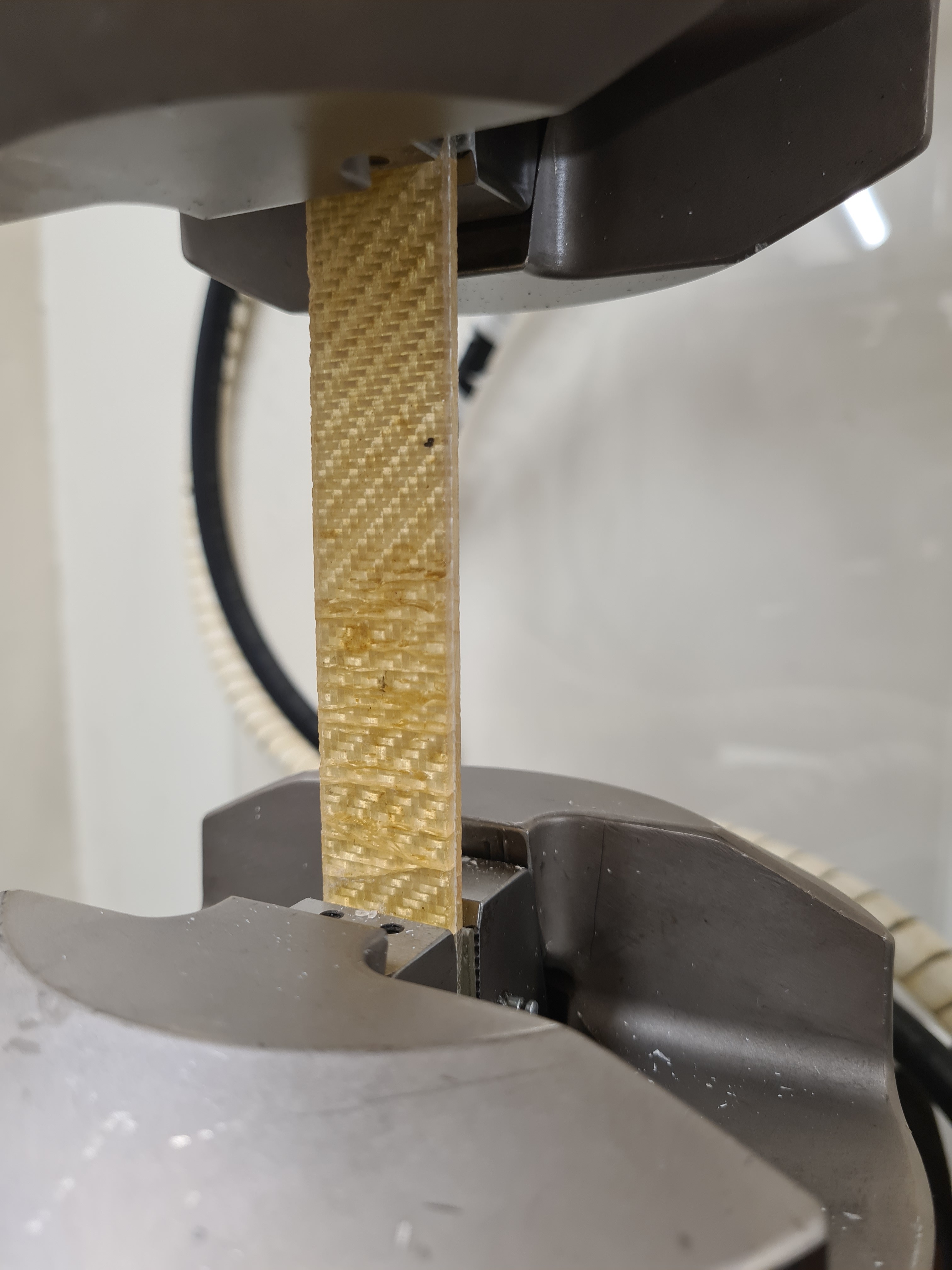
The growing attention towards sustainability in composite materials has led to the development of a new family of polymers suitable for the production of fiber-reinforced composites, characterized by high mechanical performance, recyclability, and self-healing properties. Among these, vitrimeric polymers – based on covalent adaptive networks (CANs) – represent an innovative class of materials that combines the dimensional stability of thermosets with the processability of thermoplastics thanks to their ability to reorganize their cross-linked network through thermally activated covalent exchanges. The project aimed at the synthesis and characterization of new vitrimeric polymers on a laboratory scale, the optimization of the interface between the matrix and the reinforcement fiber, and the evaluation of the physicochemical and mechanical properties on a representative demonstrator. The developed materials showed high fiber-matrix compatibility, good thermal processability over multiple cycles, and promising structural properties for applications in sustainable mobility. Therefore, the project laid the foundations for the industrial adoption of reprocessable composites, combining lightness, durability, and self-healing capabilities in a single solution.