FAAST
Decarbonization
[
Involved partners
]
Polytechnic University of Bari Polytechnic University of Turin
Fatigue on Additive Alloys Speedy Technique
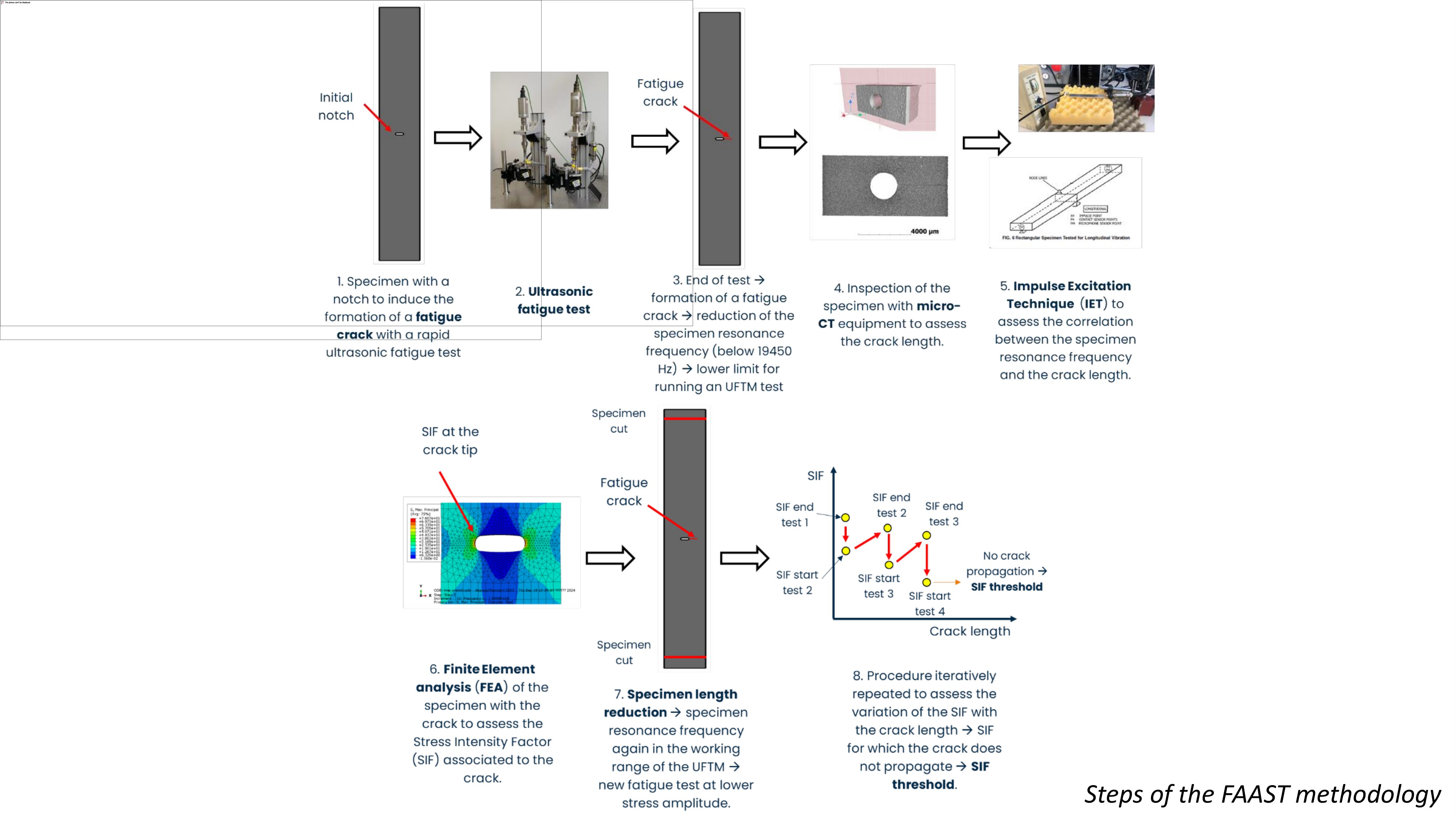
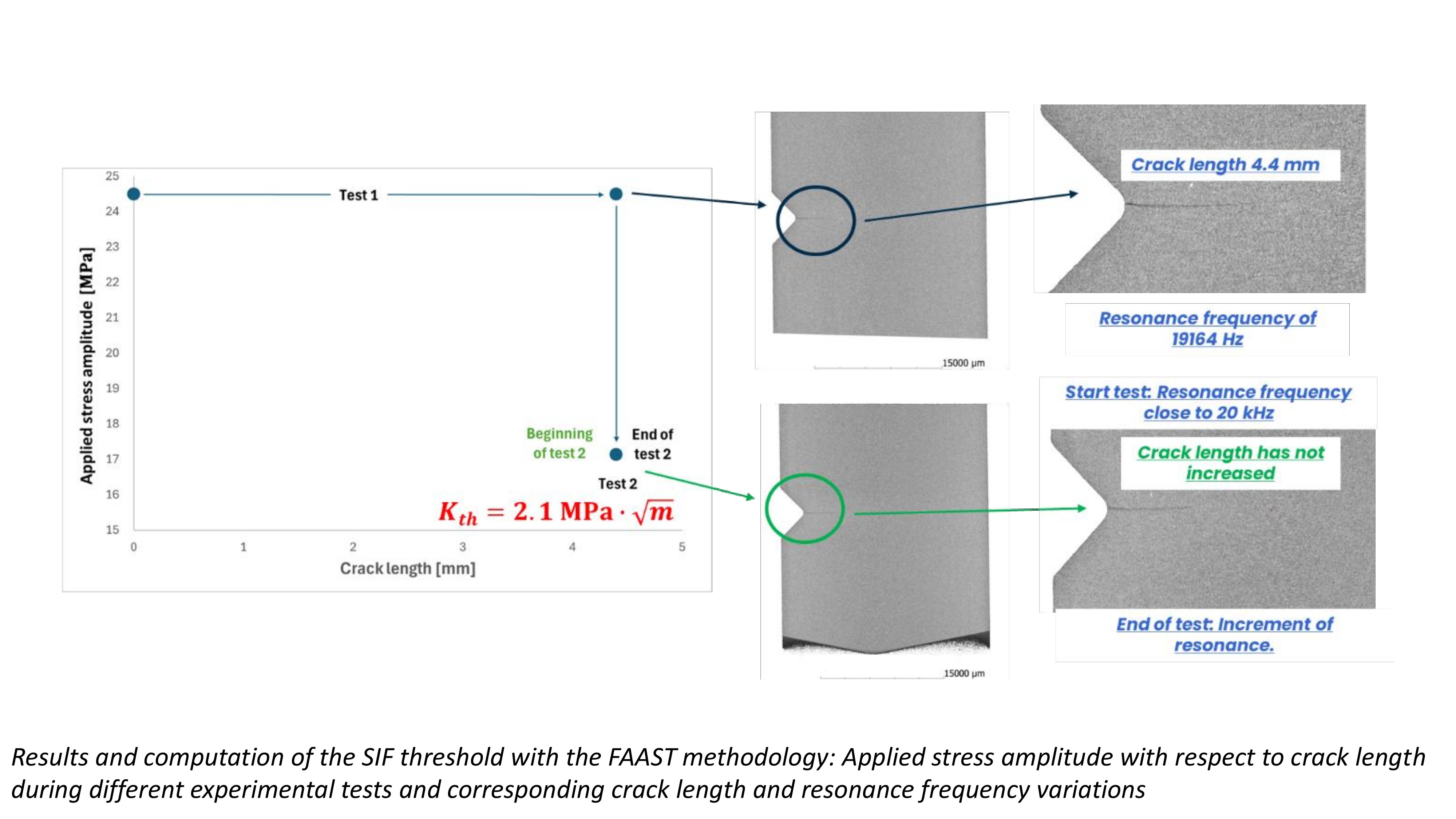
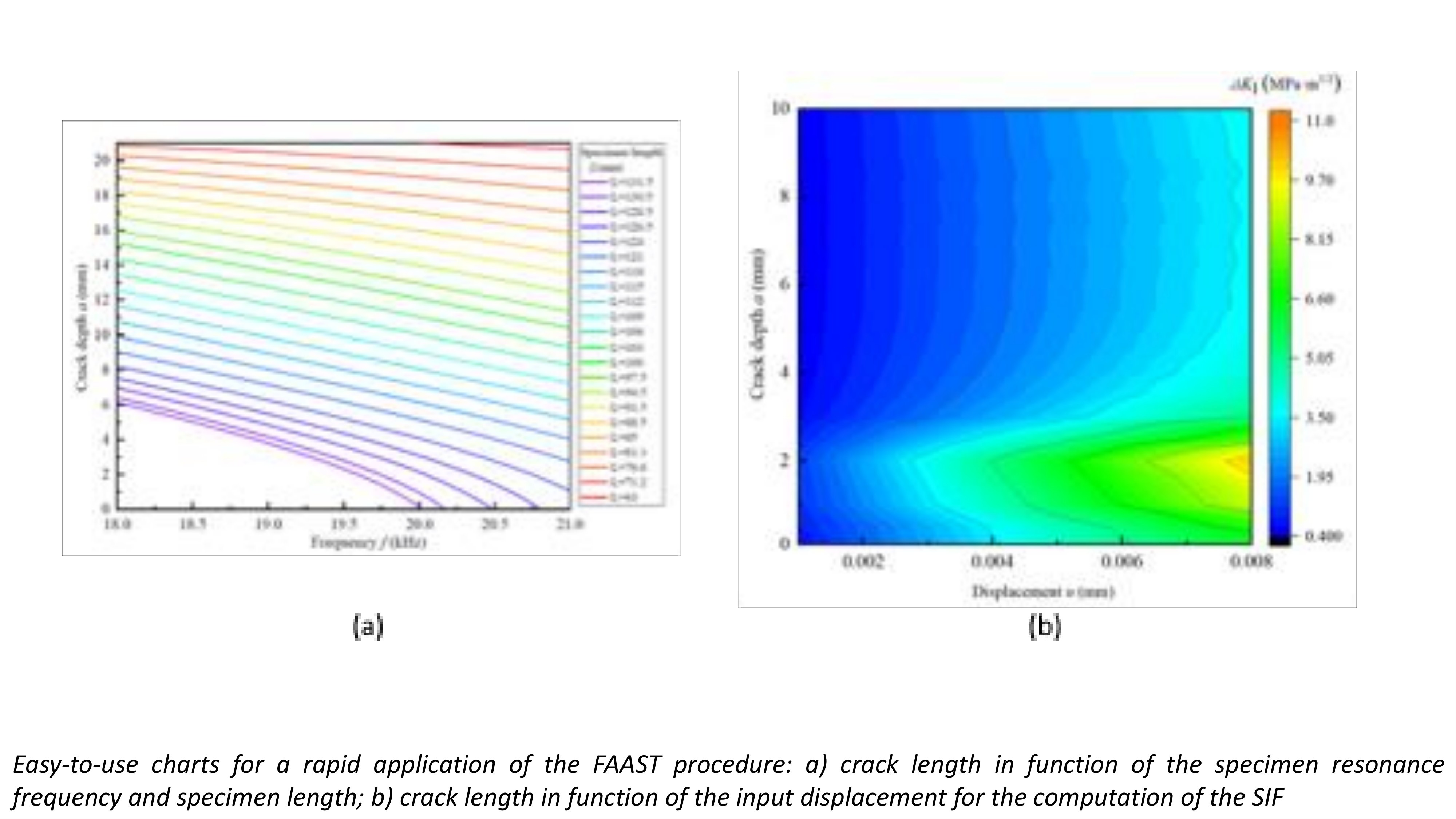
The FAAST project – Fatigue on Additive Alloys Speedy Technique introduces an innovative and accelerated methodology to evaluate the fatigue behavior of lightweight alloys produced through additive manufacturing (AM). Traditional fatigue tests can take weeks or months, while the FAAST approach, based on ultrasonic tests at 20 kHz, reduces the time to just a few days.
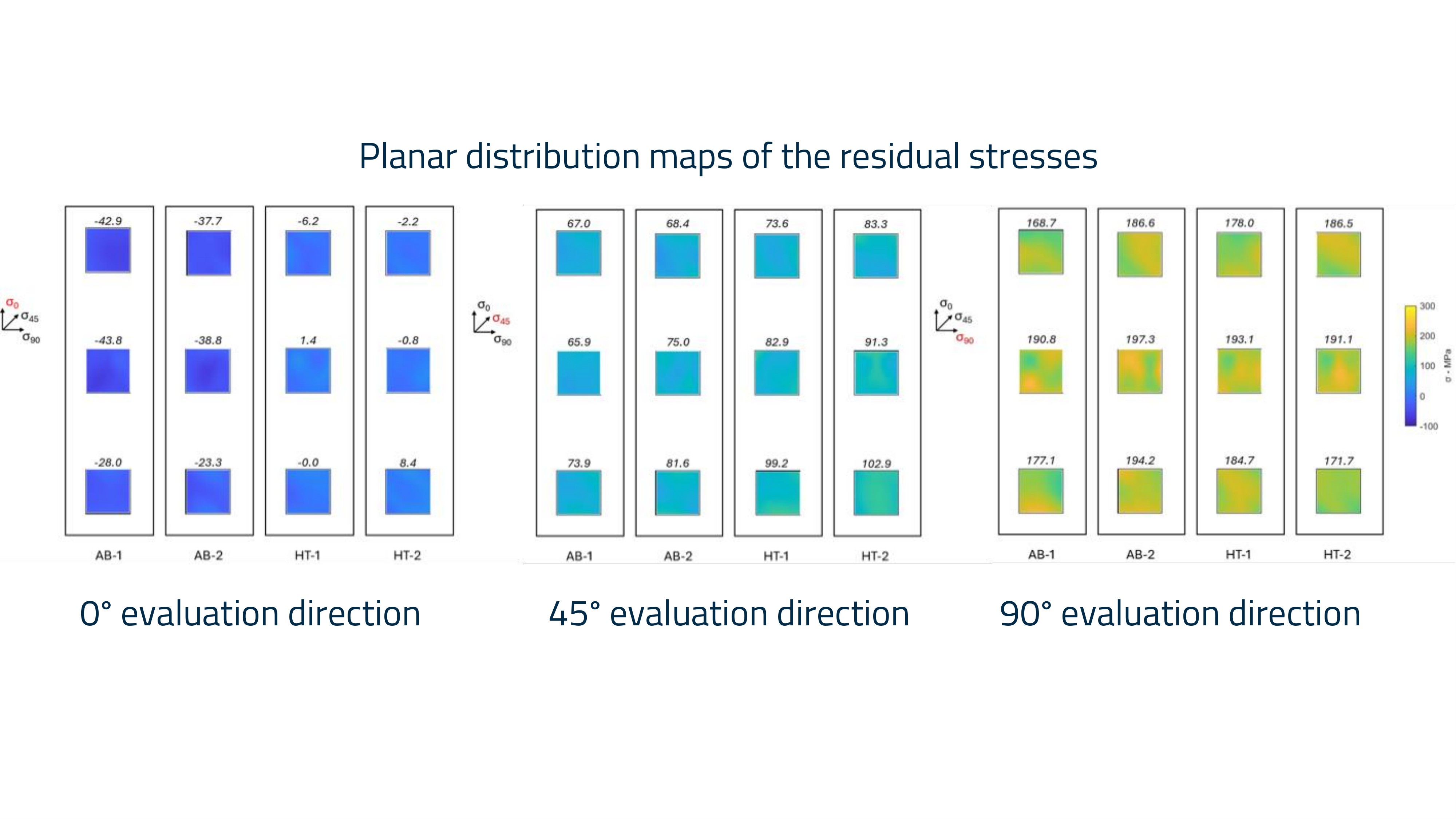
By combining ultrasonic experiments, numerical modeling, and residual stress analysis through X-ray diffraction, the project enables quick and accurate determination of the Stress Intensity Factor (SIF), a key parameter for assessing the safety and durability of structural components.
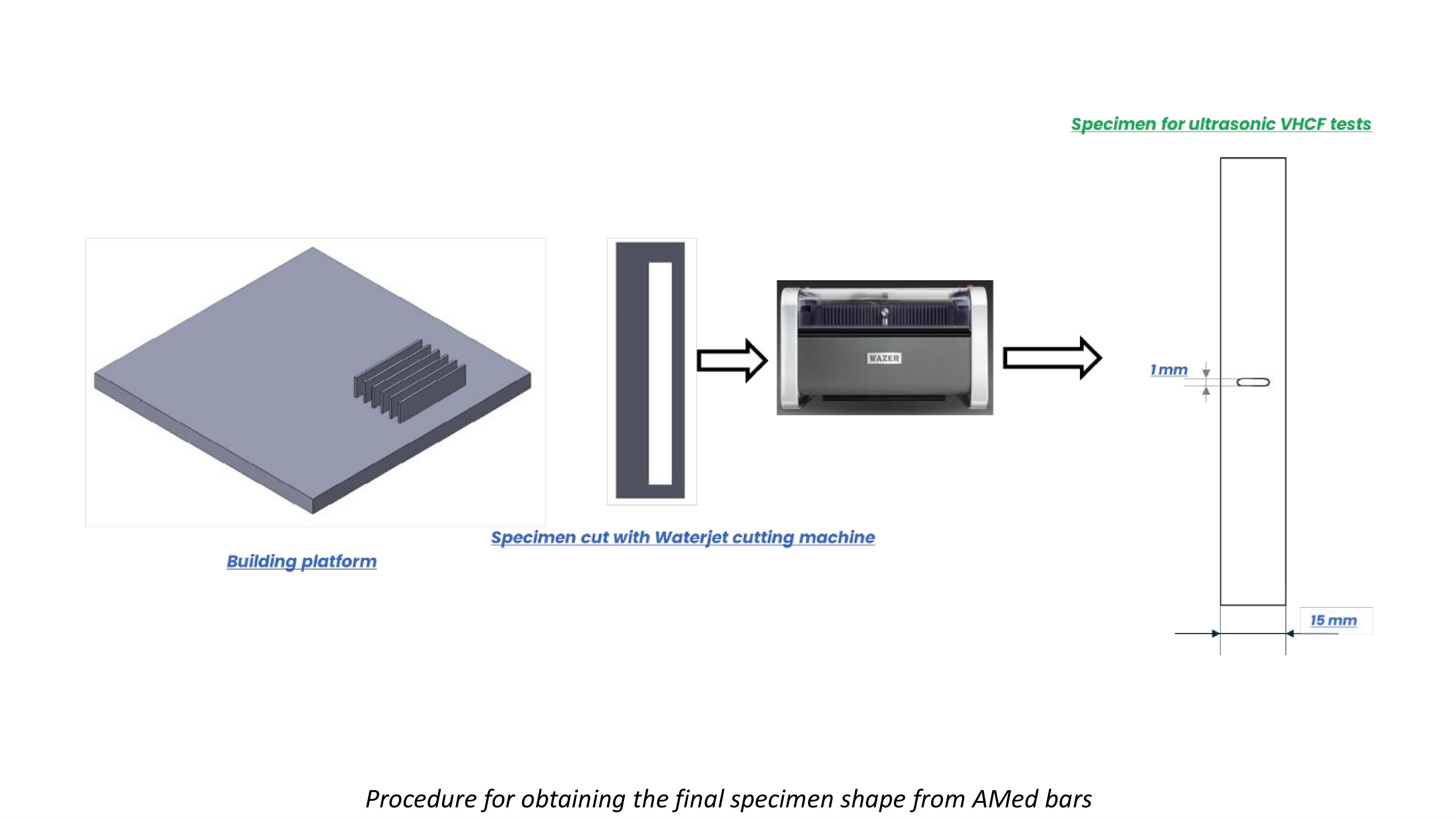
The methodology has been validated on samples of AlSi10Mg produced using Laser Powder Bed Fusion (L-PBF), one of the most common industrial processes for additive manufacturing. The results showed excellent agreement with literature data, confirming the reliability of the FAAST procedure.
This new testing strategy supports sectors such as aerospace, automotive, and energy, where lightweight design and rapid material qualification are essential. FAAST thus contributes to sustainable and efficient production, helping companies develop safer, lighter, and more reliable products while reducing mechanical certification time and costs.