Plasma-assisted ammonia Combustion
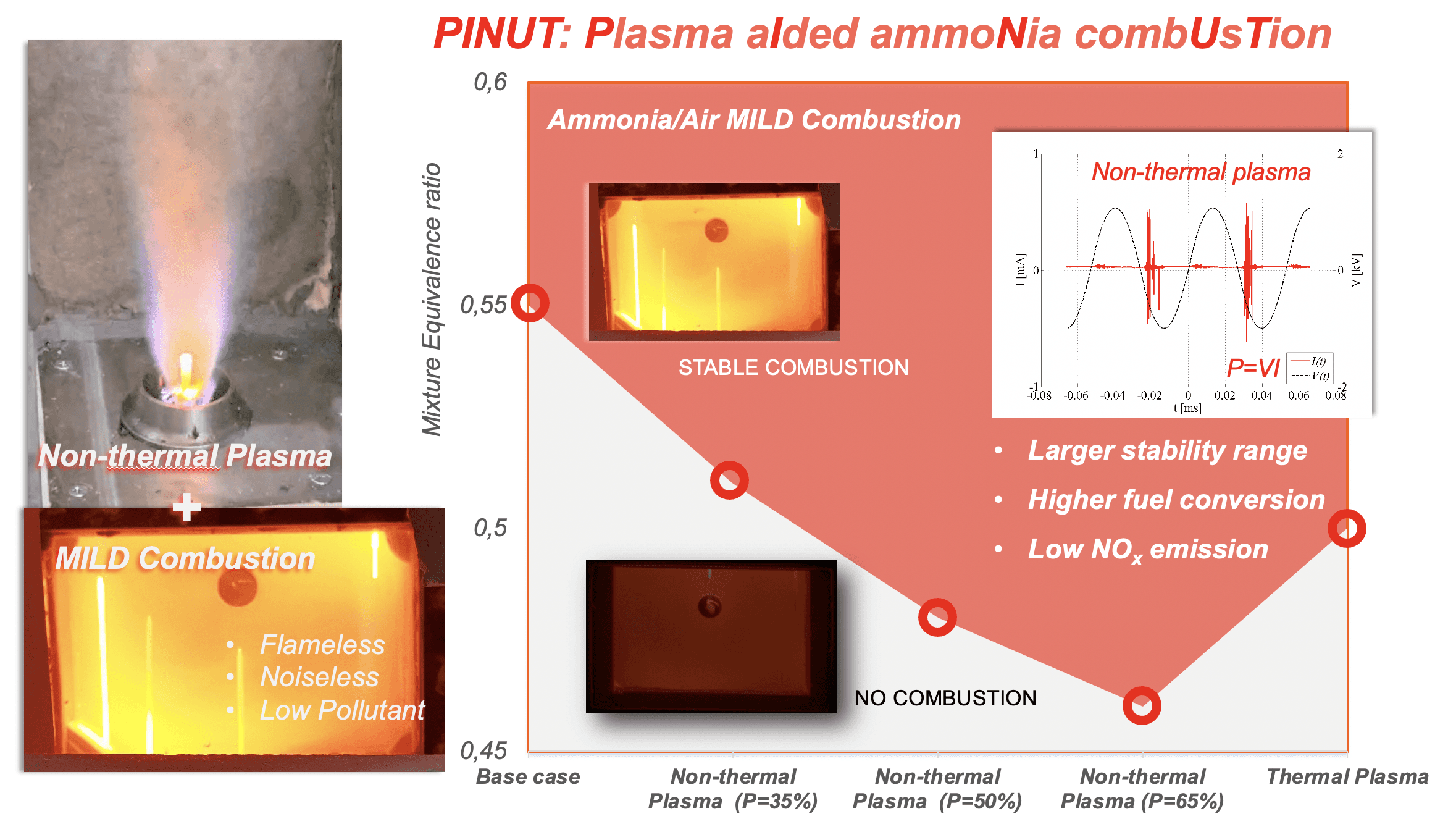
The use of ammonia as a hydrogen carrier in marine engines represents a strategic lever for decarbonizing the maritime sector. However, the combustion properties of ammonia – including low flame propagation speed, low heating value, and high autoignition temperature – present significant technological challenges, requiring the redesign of combustion systems to operate under extreme pressure and temperature conditions. The project proposes the use of non-thermal plasma torches to modulate the characteristic times of the oxidation process, allowing the use of existing technologies with minimal adaptations.
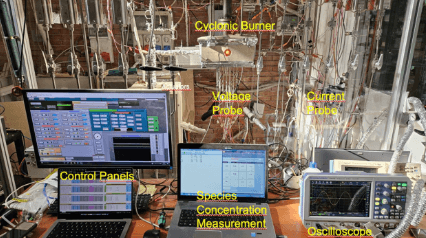
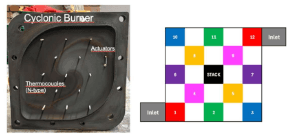
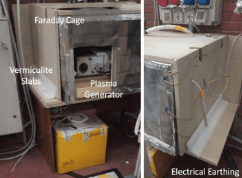
A combustion system has been designed in which ammonia/air mixtures, at different equivalence ratios, will be studied as a function of process variables (initial pressure and temperature) and parameters of the non-thermal plasma (voltage, electric field, current, pulse number) generated by an actuator integrated into the burner. In parallel, the environmental impact of the plasma-assisted process will be evaluated through continuous measurements of nitrogen oxides produced during oxidation. As a mitigation measure, the possibility of reducing such species in the output through additional plasma actuators will also be examined.
The results will be disseminated through international conferences, publications in indexed journals, and public communication channels, aiming to maximize scientific and industrial dissemination. Experimental data will be made available in open access mode through repositories compliant with the European Open Science Cloud (EOSC), promoting the reuse and validation of results. The initiative aims to stimulate interdisciplinary interactions between academia and industry, facilitating synergies in project proposals at the national and European levels.