Antiseptic Materials for Vehicle Interiors
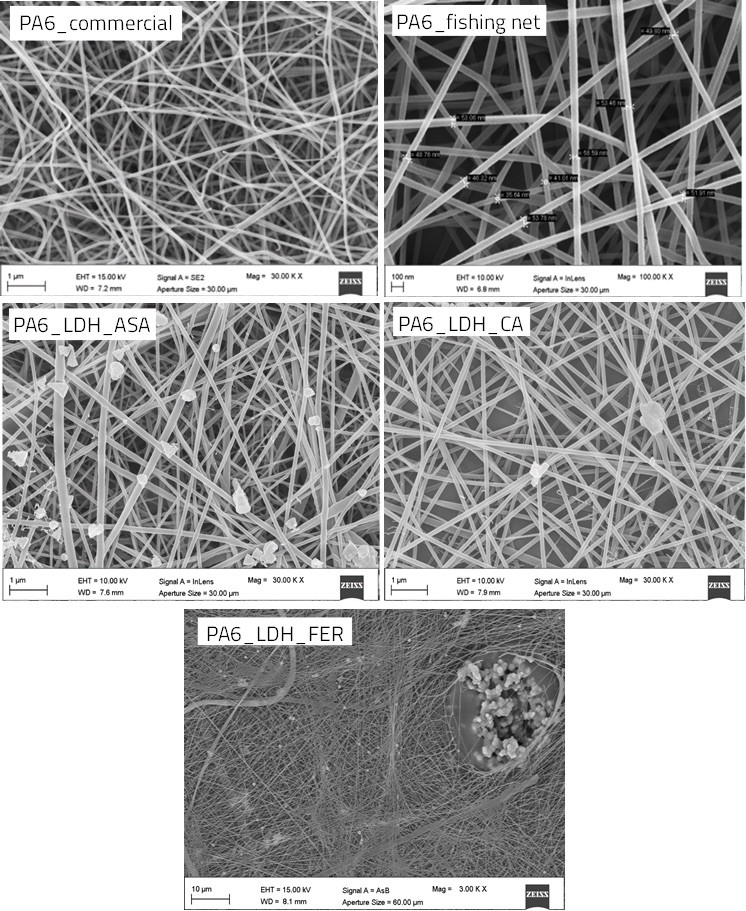
The automotive industry continually requires innovative and sustainable solutions to improve the hygiene and comfort of passengers. In this context, one of the main concerns is to prevent the proliferation and spread of harmful microorganisms, including those present on frequently touched surfaces (for example, handles, switches, steering wheels, door panels). With this goal, polymer formulations with antimicrobial activity have been prepared, using biobased, recyclable and/or recycled materials, combined with suitable functionalized nanostructures (Layered Double Hydroxides, LDH) characterized by antimicrobial properties.
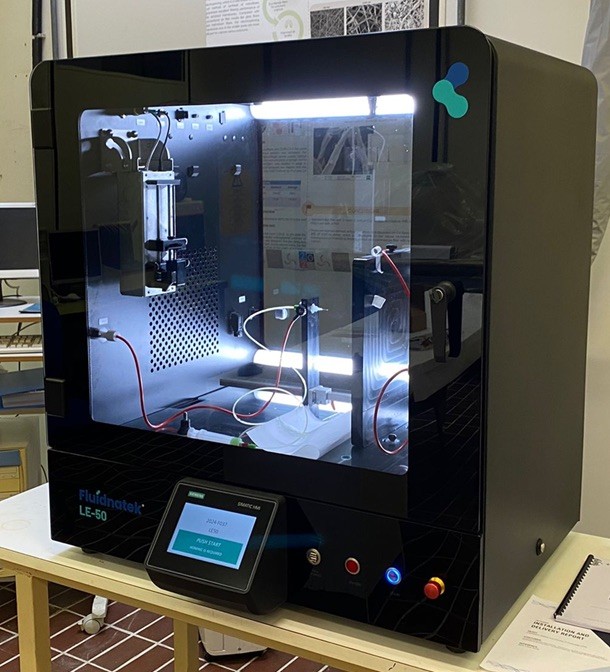
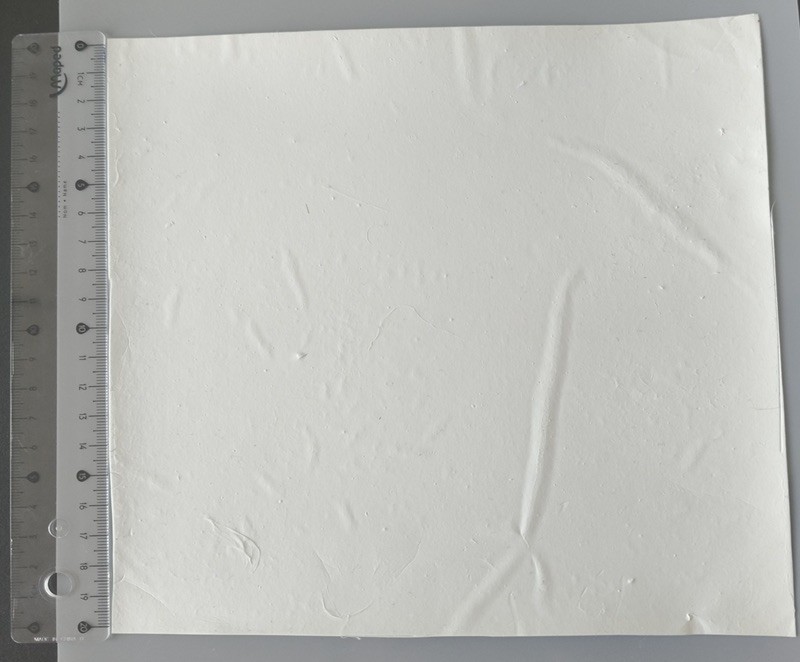
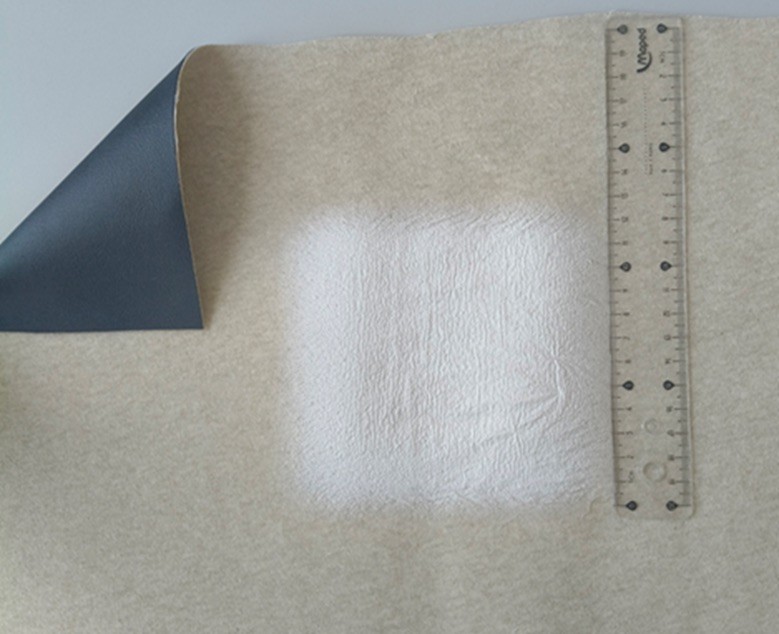
The electrospinning technique has been used to obtain active polymeric materials in the form of non-woven fabrics (Non-Woven Fabrics, NWF), characterized by antimicrobial activity, on a laboratory scale. However, using an identical procedure on suitable equipment, a prototype has also been developed on a larger scale.
Finally, the AMATEVI project has shown that it is possible to produce new NWF materials from recycled materials, as well as biobased ones, whose antimicrobial activity could play an important role in the automotive industry when used in the production of vehicle interiors, while contributing to the concept of a circular economy, maintaining a low carbon footprint and showing potential market opportunities for some waste materials, reducing their presence in landfills.