Methodology for the design and production of eco-friendly vehicle parts from recycled carbon fibers
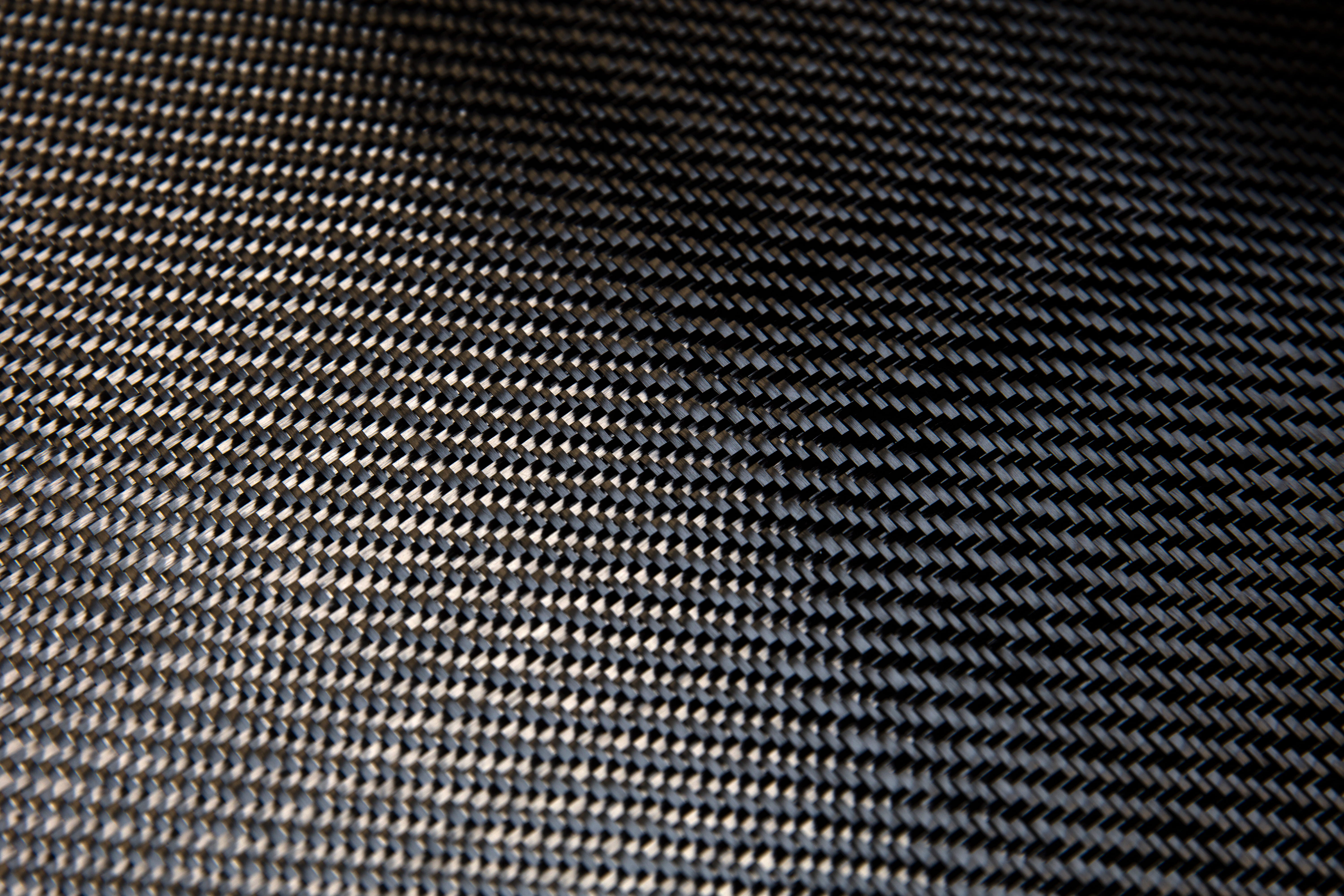
Carbon fiber reinforced polymers (CFRP) are excellent candidates for lightweight design of components for transportation vehicles. Current manufacturing technologies rely on autoclave molding or the hot forming of thermosetting or thermoplastic polymers reinforced with continuous carbon fibers. New technologies for carbon fiber recycling are emerging, a process that requires much lower energy consumption and CO₂ emissions compared to the production of virgin material. At the start of the DECARBON project, the use of these more sustainable alternatives was still rare in the mobility sector, due to the lack of industrial processing methods, material knowledge, and design tools. The project team was able to fill these gaps by testing and modeling the mechanical behavior of sustainable recycled composites, leading to the production and testing of a car hood demonstrator that meets pedestrian impact requirements. Additionally, a local closed-loop supply chain for recycling and reprocessing carbon fibers through pyrolysis, impregnation, design, and production has been initiated, laying the groundwork for a circular economy of composite materials for functional and structural components.