Fatigue of Lattice Structures Improved by Generating Hybrid Cell Topologies
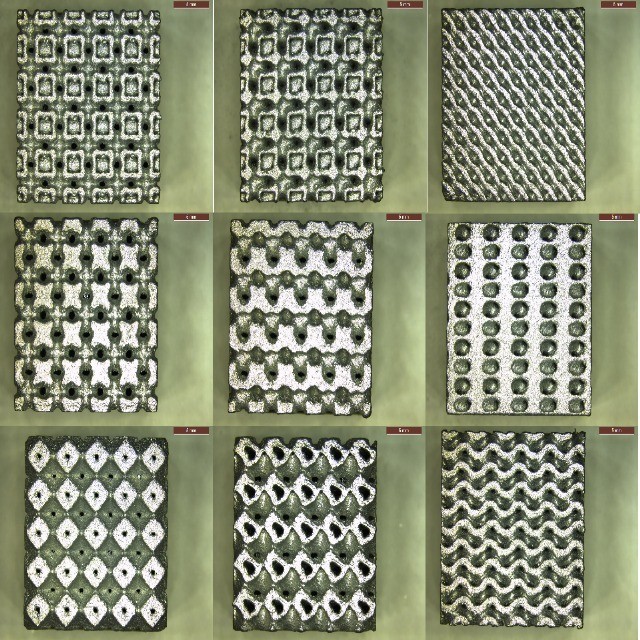
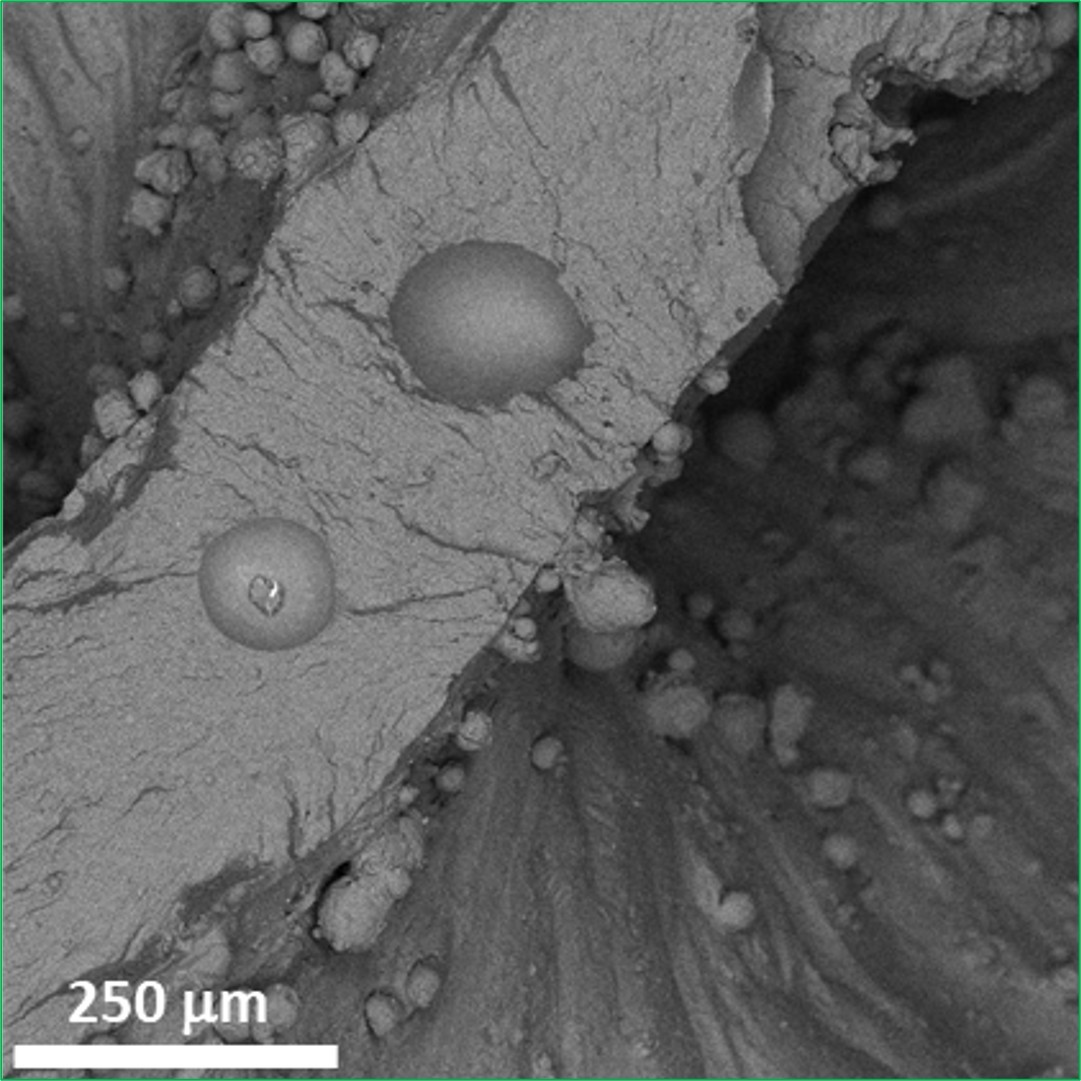
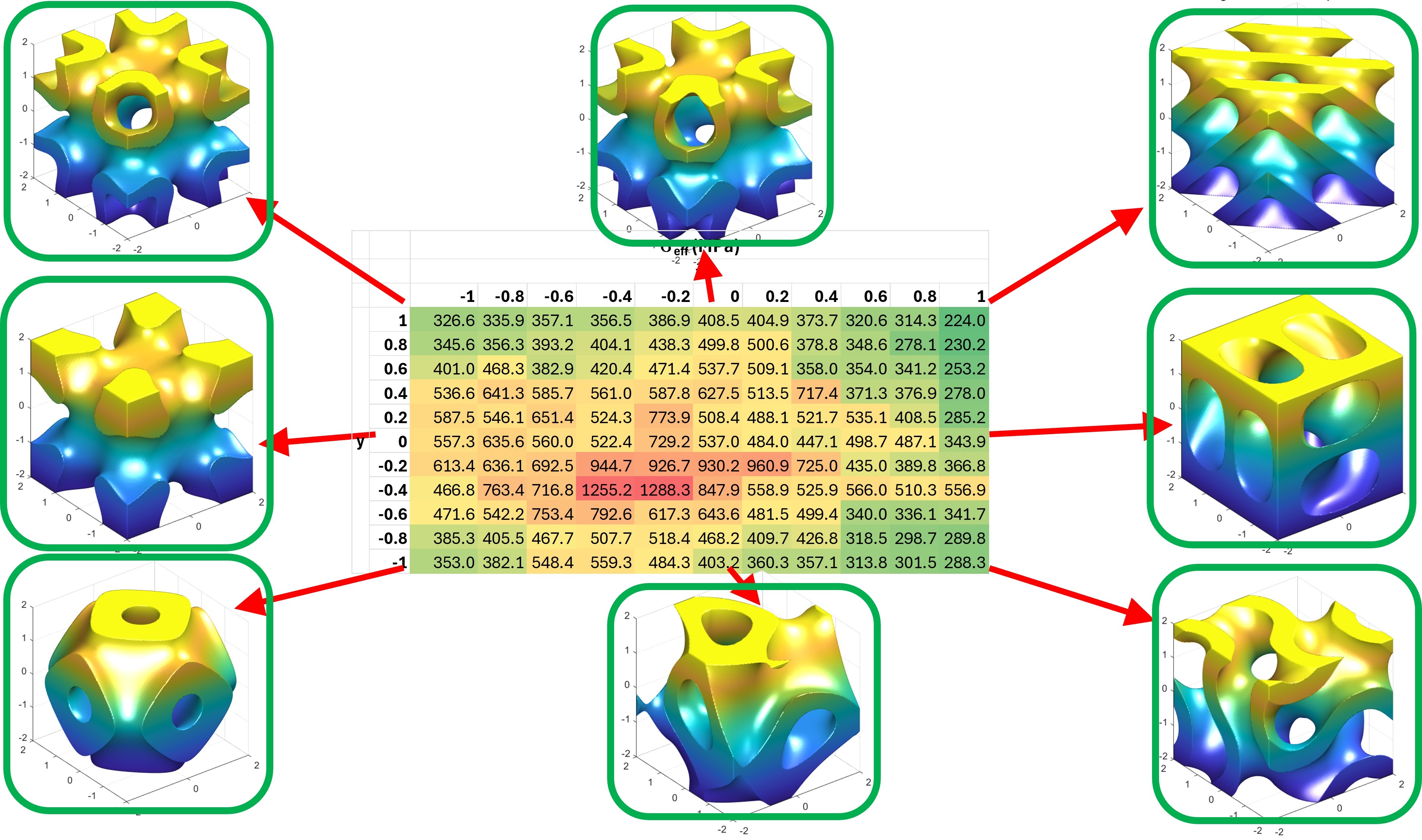
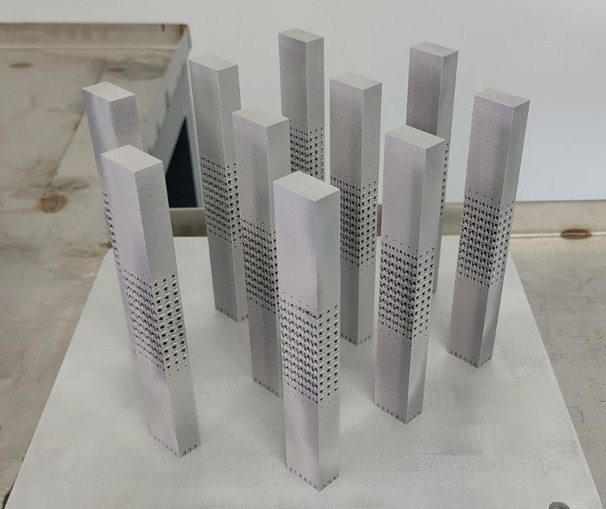
Lightweight and safe design is essential for reducing emissions and energy consumption, while preserving the reliability and lifespan of components. The FLIGHT project demonstrates a comprehensive and evidence-based approach to creating lighter and more durable metallic components through lattice architectures. The project develops a hybrid library of TPMS cells by combining canonical surfaces (Primitive, Gyroid, Diamond, I-WP) and evaluating them in terms of manufacturability, response to stress, and simulated fatigue, to identify the most promising morphologies. A reproducible design of test specimens and a reliable transition from solid to lattice are defined, along with the laser powder bed fusion parameters for AlSi10Mg and a rapid T6 heat treatment that refines the microstructure, reduces residual stresses, and preserves dimensional stability. Comprehensive tests for compression, tension, and high-frequency fatigue provide repeatable results and a clear classification of lattice cells; the surface condition emerges as a primary trigger for fatigue cracks. The workflow is validated on a servo motor bracket, where a parametrized lattice redesign allows for a significant weight reduction while maintaining mechanical properties, demonstrating the direct transfer from the lab to a relevant aerospace component. Overall, these results provide a practical toolkit — design space, process window, and validated performance data — that accelerates the adoption of advanced lattice structures for durable, lightweight, and low-emission products.